Commercial Waste Removal in Esher
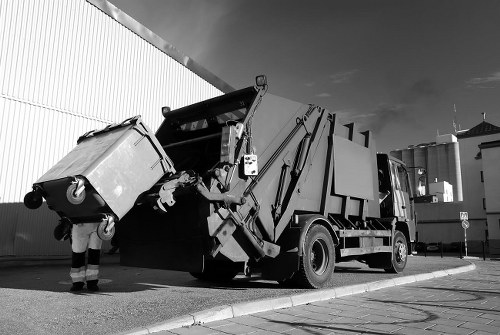
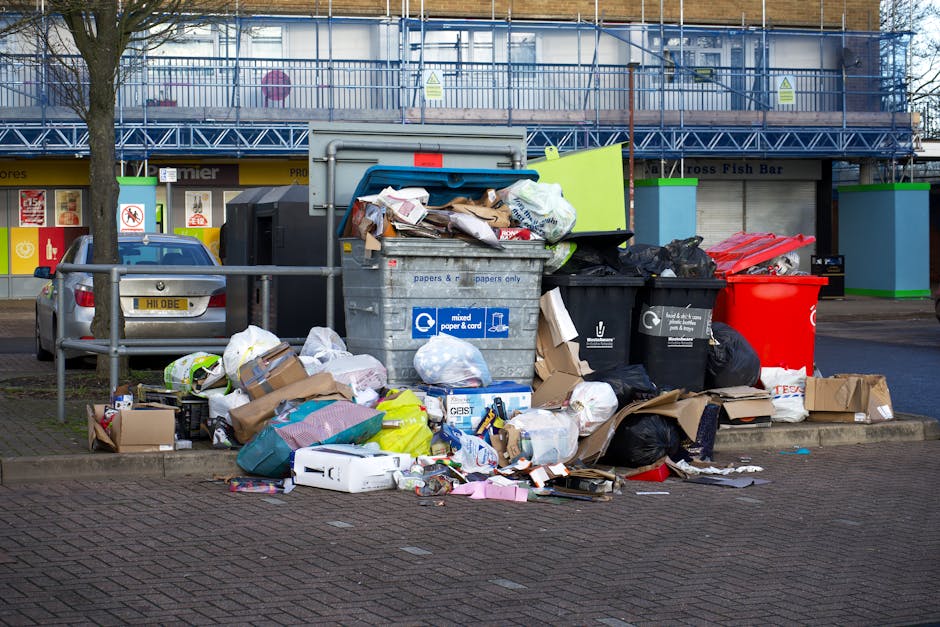
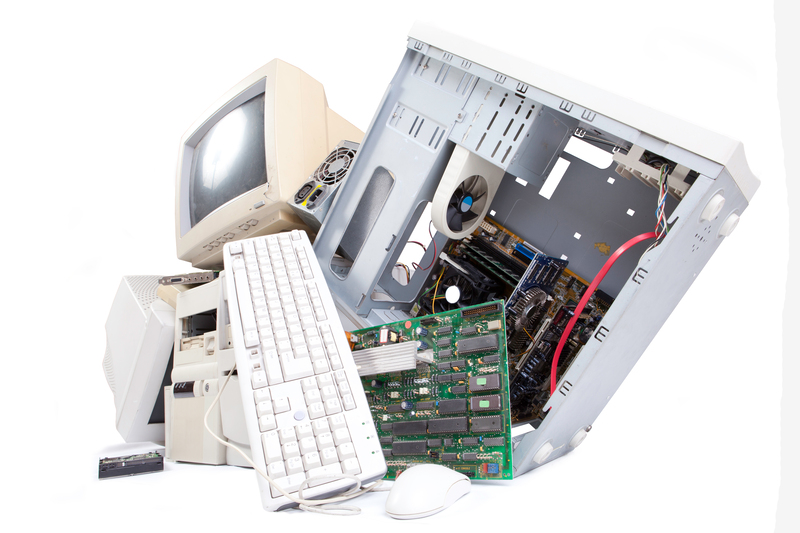
Commercial waste removal in Esher helps shops, offices, workshops and managed premises keep on top of day-to-day rubbish, bulky items and recurring clearances without disrupting the working week. The service can cover mixed commercial waste, furniture, packaging, fittings and other non-hazardous items that need collecting from business premises and taken for suitable handling. For many organisations, the practical value lies in having a straightforward way to clear accumulated materials and keep floors, stores and back-of-house areas usable.
Our work is centred on commercial waste removal for premises in and around Esher, with an emphasis on collection, segregation where needed, and responsible onward handling. Where a business has different waste streams, such as office furniture, light building debris or general refuse from a refit, the collection plan can be adjusted to suit what is on site. That makes it easier to deal with one-off clearances, repeat uplift needs and mixed loads in a controlled way.
Use the pages on this site to compare related services, then request a quotation when you are ready to set out what needs taking away. If you are preparing a clear-out, a refit or a regular collection arrangement, it helps to identify the items, the access and the likely volume before you book. You can also start with the service page that matches the material if your load is mainly furniture, office items or mixed waste.
Business waste collection for ongoing premises needs

Business waste collection is often the simplest option when a site produces regular rubbish that cannot wait for an occasional clear-out. It may suit offices, retail units, hospitality settings, light industrial spaces and shared commercial buildings where waste builds up in stages rather than all at once. Collections can be planned around the operating pattern of the premises so that disposal happens without turning into a disruption point for staff or visitors.
For repeated waste generation, the service is usually best approached by thinking about what type of material is being produced and how it is stored before collection. Cardboard, packaging, broken fixtures, unwanted paperwork and similar materials can often be grouped sensibly, while mixed items may need a more general load. If the waste includes confidential documents, office waste or appliances, the collection route should match the item type rather than assuming everything can be handled the same way.
Typical commercial waste decisions
- Whether the load is a one-off clear-out or a repeated collection pattern.
- Whether the waste is mostly mixed general rubbish or a more specific stream.
- Whether access involves a reception area, rear yard, basement, upper floor or loading point.
- Whether items are loose, bagged, boxed or still in place and need moving.
Office clearance and workplace furniture removal

Office clearance covers the removal of desks, chairs, filing furniture, meeting-room pieces, shelving, cabinets, monitors and other contents that are no longer needed in the workplace. It is particularly useful when a business is relocating, reducing its footprint, changing layout or replacing worn items. A careful clearance helps the space move back into productive use, while also avoiding the build-up that can happen when redundant furniture is left in corners, storage rooms or unused work areas.
Where an office clearance is mixed with general waste removal, it is sensible to separate what still has a clear purpose from what is ready for disposal. Some items may be suitable for a different route, while others are ready to be lifted and removed as a single load. Office clearance can therefore work alongside broader business waste handling, especially if there are partitions, loose fixtures or non-structural fittings that need taking away with care.
For workplaces with regular IT refreshes or furniture updates, planning the sequence matters as much as the removal itself. Heavier furniture may need to come out before smaller items are boxed, and narrow corridors or lifts can affect the order in which things leave the premises. When you ask for a quotation, describe the building layout, the quantity of items and whether the clearance must be staged over more than one area.
Furniture disposal and bulky item handling
Furniture disposal is useful when a business has items that are too large, awkward or worn for routine rubbish handling. Office chairs, reception seating, tables, storage units and similar pieces often require separate attention because of their size and materials. If the furniture is mixed with packaging, soft furnishings or small fixtures, the clearance can be organised so that the bulky items are removed first and the remaining waste is dealt with in a tidy second pass.
Where disposal concerns only a few items, the practical question is usually not whether the pieces are large, but whether they can be taken out safely and efficiently from the location where they stand. That may involve corridors, stairwells, lifts or shared access areas that need to be kept clear. Furniture disposal gives a straightforward route for those items when replacement stock is arriving, layouts are changing or furniture has simply reached the end of its useful life.
When bulky items need extra thought
Some furniture is easier to remove intact, while other pieces may need disassembly before they can be carried from the premises. The right approach depends on the type of item, the route out of the building and whether the load needs to be kept separate from other waste streams. If you have mixed contents, a short item list is usually the most helpful starting point because it lets the collection plan reflect the actual work rather than an assumed one.
Furniture clearance for mixed commercial spaces
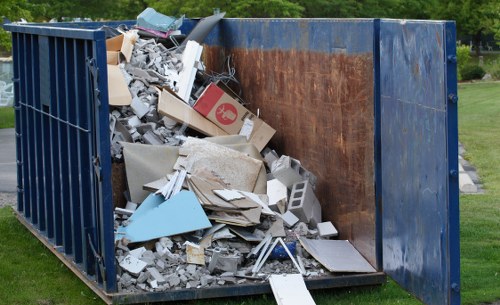
Furniture clearance is broader than simple disposal because it can cover multiple pieces across one room, several floors or an entire commercial unit. That makes it useful for shops, clinics, studios, shared offices and other premises where fixtures and movable furniture are being replaced together. The aim is not just to take things away, but to clear the space in a way that leaves the remaining items accessible and the premises easier to manage afterwards.
When a clearance includes chairs, shelving, desks, tables and loose storage, it is usually better to think in zones rather than individual items. That means identifying what stays, what goes and what must be moved before the collection begins. If you already know which rooms or sections are involved, the quotation can reflect the likely volume and the handling work more accurately. For a straightforward next step, ask for a quotation once the main furniture groups are known.
Furniture clearance can also support businesses that are changing use, combining units or preparing for refurbishment. It is often most efficient when the load is grouped in advance and the access points are clear. That does not mean everything has to be perfectly sorted, only that the collection team can work faster when the main categories are understood before arrival.
Office and confidential waste considerations
Some commercial clearances involve more than ordinary rubbish because they include paperwork, records, printed material or other items that deserve careful handling. In those cases, the business may need a clear route for separating confidential material from general office waste. That helps reduce the risk of sensitive documents being mixed into a standard clearance load and gives the premises a tidier handover once the unwanted items have been removed.
Where a site is clearing cabinets, archive boxes or old filing systems, the main decisions are usually about sorting and access. If the material is purely general office waste, it can be handled alongside furniture and fittings. If part of the load needs to be treated more discreetly, it is sensible to group it in advance. Confidential shredding is relevant where the removal includes paper-based records or documents that should not simply go out with the usual waste stream.
Commercial customers often find it helpful to use one collection conversation to cover both what is being removed and what stays behind. That can include desks that will be reused, stationery for redistribution and records that are to be retained. A clear distinction at the outset avoids unnecessary lifting and keeps the workload focused on the items that genuinely need to leave the premises.
Fridge, appliance and specialist item removal
Fridges, freezers and other appliances need a different approach from ordinary furniture because they are heavy, awkward and sometimes tied to the way a premises operates. Business kitchens, staff rooms, stock areas and break spaces may all produce items that cannot be treated like standard rubbish. Appliance removal is useful when a unit has failed, been replaced or become surplus during a refurbishment.
When appliances are part of a larger commercial waste job, the collection should reflect the load as it actually exists. A fridge or similar item may need to be separated from cardboard, shelving, food-area fittings or general rubbish so that it can be removed in a controlled way. Fridge and appliance removal gives a suitable route for those pieces when the main task is to clear out a specific machine rather than a whole room of contents.
For business customers, the key is often timing and access. An appliance may sit in a confined staff area, a kitchen corner or a utility space with limited clearance, so the removal plan should account for doors, turns and any need to move other items first. A compact, clear description of the item and its location usually makes the quotation process easier.
Hazardous or awkward commercial waste
Some loads are not suitable for a general collection because they contain materials that need additional care, tighter handling or a more specific disposal route. This can apply to certain chemicals, contaminated items or waste that is classed separately from ordinary commercial rubbish. The safest approach is to describe the material accurately rather than assuming it can be bundled into a standard uplift.
For businesses dealing with unusual or potentially sensitive waste, the question is not just what needs removing, but what the item contains and how it has been stored. If there is any uncertainty, the load should be identified before collection so that it is assessed properly. Hazardous waste disposal is the more appropriate page to consult when the contents are outside routine office or furniture removal.
This distinction matters because commercial waste services are most efficient when the material type is known in advance. A load of packaging and office furniture can be planned as a straightforward clearance, while a more sensitive item may require another route entirely. Being precise at the enquiry stage helps avoid delays and keeps the work within the right handling category.
Pricing factors and quotation details
Commercial waste pricing is usually shaped by the amount to be removed, the type of items, the time needed on site and the ease of access. A compact office clear-out with one access point will usually differ from a multi-room furniture removal that involves stairs or shared circulation space. If the load contains mixed materials, the mix itself can also affect how the work is planned because different items may need different handling.
When requesting a quotation, it helps to give enough detail for the collection to be matched to the job rather than to a generic description. A short list of items, a sense of quantity and any relevant access notes will usually be more useful than a broad statement that “there is some wasteâ€. Pricing and quotes is a sensible page to consult if you want to understand how quotations are structured across different kinds of commercial removal work.
Two points make the process smoother. First, identify anything that is to stay on site so that it is not included by mistake. Second, note any items that need special handling, such as a bulky cabinet, a refrigeration unit or a pile of confidential paper. That keeps the quotation focused and avoids unnecessary back-and-forth before the collection date is arranged.
About Esher
Esher is a town in Surrey, situated to the south-west of London and closely associated with the borough of Elmbridge. Its character reflects a long period of growth from a historic settlement into a well-connected commuter town, while still retaining a recognisable high street and a setting shaped by nearby open land and suburban streets. The town’s name appears in older records, and its built environment includes a mix of period buildings, later residential development and practical commercial premises that serve the local community. Esher station provides rail connections that link the town with central London and the wider South West Trains network, reinforcing the place’s role as a suburban hub rather than a self-contained market centre. One of the best-known landmarks in the wider area is Sandown Park Racecourse, which lies close to the town and has long been part of its public identity. The racecourse is associated with major horse-racing events and a broader leisure calendar, and it contributes to Esher’s profile as a place with both residential appeal and established visitor traffic. Closer to the centre, the high street and surrounding roads include a mixture of independent and national businesses, while the town’s churches, schools and local services reflect everyday civic life. Esher is also within reach of the Surrey countryside, which gives it a greener edge than many parts of outer London. The area’s setting is shaped by its position near the River Mole corridor and by access to neighbouring places such as Claygate, Hinchley Wood and Walton-on-Thames. This gives Esher a layered geography: a town centre, nearby residential pockets and surrounding routes that connect it to larger urban and rural landscapes. Its appeal lies partly in that balance, with a settled local core and easy movement to surrounding districts. Public parks, sports facilities and the presence of historic houses and estates in the wider borough add further variety to a place that combines everyday function with pockets of heritage and recreation.
Site clearances, lofts and garage contents
Commercial premises sometimes accumulate waste in storage areas rather than in the main working space. Lofts, garages, cupboards, plant rooms and back stores can collect obsolete stock, broken furniture, packaging and forgotten fixtures over time. Clearing those spaces can be useful when they are needed again for storage, maintenance or conversion, and it can also support a wider business clear-out if the main work has already started elsewhere on the site.
These spaces are often awkward because access is narrower than in the main building, and the contents may have been placed there gradually. That means the collection may need a more patient sorting phase before lifting begins. Garage clearance can be especially relevant where a business has a storage-heavy footprint and wants one area returned to usable condition without disturbing the rest of the premises.
Loft clearance is equally useful for upper-storey or roof-space storage, while home clearance and house clearance are better suited to residential settings than business premises. The practical point is that each type of clearance should reflect the access route and the contents, rather than treating every collection as identical. That is particularly important when the load includes mixed storage items and heavier pieces that cannot simply be stacked and carried away in one motion.
Related waste streams and disposal choices
Not every commercial load is about general rubbish. Some jobs are built around one specific type of material, and using the right route can make the collection more efficient. For example, building works at a business site may generate rubble, timber and packaging, while a refresh of seating areas may create a load of soft furnishings and mixed furniture. Matching the service to the material keeps the collection straightforward and avoids the need to force everything into one category.
Builders waste clearance is the better fit for refurbishment debris, while mattress and sofa disposal can be useful where soft furniture is the main item. Likewise, if the load is a mixture of domestic-style items from a premises that doubles as accommodation or temporary living space, a more general clearance page may make sense. The aim is always to choose the most accurate service page for the material rather than the nearest sounding one.
Where items can be reused or separated, it is often sensible to keep useful pieces apart from those destined for disposal. That applies to fittings, furniture and appliances alike. Recycling and sustainability is worth reviewing if you want to understand the broader approach to materials after collection, especially when your business is trying to organise waste in a more considered way.
How to prepare a commercial quotation request
Preparing a quotation request is mostly about being clear rather than elaborate. A short description of the premises, the type of waste and the rooms or spaces involved is usually enough to begin with. If the load includes several kinds of item, it helps to note them in plain language: furniture, office contents, packaging, appliances or mixed waste. That makes it easier to match the enquiry to the right service page and estimate the work sensibly.
For many business customers, the most useful details are the ones that affect handling. Tell us whether items are on one floor or several, whether there is lift access, and whether anything needs dismantling before removal. If you are arranging a larger or recurring uplift, one concise message can cover the essential points and save time on both sides. contact us when you are ready to set out the job and request a quotation.
Two final points are worth including if they apply. First, mention any deadlines tied to a handover, move or refurbishment. Second, say whether the clearance must happen around business hours or during quieter access windows. Clear access notes and an honest description of the load are usually the quickest route to a practical quotation that fits the job.
Book a suitable collection for your premises
Commercial waste removal works best when the load is described accurately and the right collection route is chosen from the start. Some customers need a single mixed clearance, while others need office furniture removal, appliance uplift or recurring business waste handling. Once the main items are identified, the work can be planned in a way that suits the building, the access and the amount of material involved.
Because different materials sit better under different service pages, it can help to review the closest match before you decide how to proceed. That may be office clearance, furniture disposal, appliance removal or a more general waste collection depending on what is actually on site. If you want a clear price for the job, pricing and quotes is the best place to begin, then use the service pages to refine the scope.
If your premises in Esher need a straightforward commercial clearance, request a quotation once you have the main items listed and the access details to hand. The more accurately the waste is described, the easier it is to arrange a collection that fits the work and the space. You can then move from planning to removal with less disruption and a clearer idea of what is involved.