
Commercial Waste Esher Health & Safety Policy
Purpose: This policy sets out the health and safety standards that govern our commercial waste collection and refuse services across the rubbish company service area. It outlines responsibilities, risk controls, and safe working practices for staff and contractors engaged in commercial waste collection, commercial refuse handling and associated site activities. The policy supports safe, compliant rubbish services and continuous improvement.The scope covers all operations in the defined waste removal service area, including vehicle operations, bin handling, skip management, transfer and storage of commercial waste, and customer site work. This policy applies to permanent staff, agency workers and subcontractors who perform duties as part of our commercial waste disposal and collection activities. All personnel must read and comply with this policy.
Responsibilities and Leadership
The company leadership will maintain and review this health and safety policy, ensuring resources are available for safe rubbish services. Managers are accountable for risk assessments, safe systems of work and ensuring personnel receive appropriate training for commercial waste collection tasks. Employees must follow instructions, wear required personal protective equipment and report hazards. Everyone has a role in preventing incidents.Risk assessment is a continuous process across our refuse service area. We identify hazards such as manual handling, moving vehicles, sharps, hazardous substances, and confined spaces associated with rubbish and commercial waste handling. Controls include mechanical aids, segregation of hazardous materials, safe route planning and exclusion zones for loading operations. A documented risk assessment program informs job-specific permits and method statements for high-risk tasks.
Training and competence are critical: induction, driver CPC where applicable, vehicle loading, manual handling, hazardous waste awareness and emergency procedures are mandatory. Training records are maintained and refreshed periodically. Supervision ensures that competence is applied in the field, and that rubbish collection teams operate safely within the commercial waste collection service area.
Personal Protective Equipment (PPE) and Vehicle Safety
Personnel must use PPE appropriate to the task: high-visibility clothing, gloves suitable for waste types, safety footwear, eye protection and respiratory protection as required. Vehicle checks are performed before each shift: brakes, lights, securement of loads and safety signage. Drivers follow safe loading limits and use certified lifting equipment to reduce manual handling injuries.Safe manual handling guidelines reduce musculoskeletal risks. Tasks are planned to minimise lifting, team lifts are used for awkward loads and mechanical aids are provided for heavy items. Staff are trained in safe lifting technique and encouraged to report any pain or discomfort early. These measures protect employees across the rubbish service territory and maintain operational continuity.
Handling hazardous and chemical waste requires strict segregation and labelling. The policy prohibits mixing incompatible substances and demands secure containment. Where specialist disposal routes are required, designated procedures and transport arrangements are followed. Waste carriers operate within defined compliance frameworks to ensure safe commercial waste disposal.
Emergency response covers spills, injuries, fires and vehicle incidents. An emergency plan details immediate actions, communication channels and escalation procedures. First aid provision and trained responders are available. Incidents are contained, reported and investigated to prevent recurrence and improve the safety of the commercial refuse collection service area.
Reporting and investigation ensure lessons learned. All accidents, near misses and unsafe conditions are reported promptly using the company reporting system. Investigations determine root causes and lead to corrective actions such as procedural changes, training refreshes or equipment upgrades. The organisation fosters a culture where reporting is encouraged and non-punitive.
Monitoring and performance indicators track compliance and operational safety across the rubbish service area. Regular audits, toolbox talks and spot checks verify that controls are in place and effective. Key performance measures include incident rates, completion of training, vehicle safety checks and timely corrective action implementation.
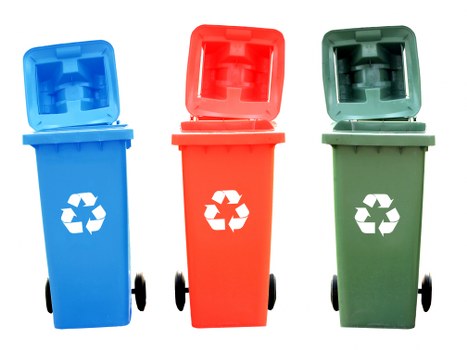 Our procurement and maintenance strategies prioritise safe equipment and secure waste containers. Contractors and suppliers are assessed for their safety management systems before engagement. Inspections and maintenance schedules keep plant, bins and vehicles serviceable and safe for use within the commercial waste collection network.

Continuous Improvement and Policy Review
The policy is reviewed at defined intervals and whenever there is a significant change to operations, legislation or following serious incidents. Feedback from operational teams informs improvements. The company adopts industry best practices for waste handling and integrates technological and procedural innovations to enhance safety across the rubbish company service area.Commitment: Management and employees are committed to achieving a safe workplace. Everyone must participate in safety activities, complete required training and comply with guidance. Non-compliance will be addressed through supportive corrective measures and, where necessary, formal disciplinary processes to protect the workforce and the public.
Conclusion: This health and safety policy provides a framework for safe commercial waste operations in the service area. Regular training, robust risk assessments, proper PPE, vigilant vehicle and site management, and an open incident reporting culture together deliver safer rubbish services and responsible commercial waste management.
